
Denim Tears Pricing Guide 2025: Store vs Secondary, Actual Costs
This manual reveals what Denim Tears garments sell at shops in 2025, how resale margins genuinely work, and how to calculate the real cost one pays after fees and duties. When buyers compare store vs resale, your goal is to know the appropriate bracket for every segment and avoid overpaying.
Denim Tears is part of the select urban brands where direct and secondary can diverge wildly, especially on the iconic Cotton Wreath pieces. One will discover obvious pricing levels by segment, steep increases on particular variants, and significant concealed fees on resale sites. Utilize the table below as your reference, then review the areas that explain why costs shift, occasions to buy, and where fees add up.
What Represents The Brand and What Makes Prices So Volatile?
Denim Tears, created by Emory in 2019, releases narrative-driven capsules with limited quantities, so rarity and story creates margins. Costs fluctuate since launches are restricted, interest is international, and specific colorways become reference pieces.
The iconic Cotton Wreath design on Levi’s pieces anchors the market, and it acts more like collectibles than standard clothing. Collaborations including as Levi’s with Converse increase awareness and pull in customers who hadn’t followed the brand before. Measurements in the center of the curve sell quickest, whereas extremely small and extremely large measurements can also jump due to rarity. Since releases are staggered and geographically restricted, customers often turn to resale immediately, producing a early surcharge that might reduce or establish depending on restocks.
2025 Retail Pricing Snapshot by Category
Store costs for Denim Tears garments in final 2024 to start 2025 typically sits in the ranges below; several items have crept up compared to previous years due to materials and positioning. Regional prices can look higher if VAT is added at checkout.
Utilize these brackets to benchmark offers and to assess whether a resale offer is a fair surcharge or a steep markup. Retail availability is inconsistent and release-based, so finding these values current on the brand site or partner doors isn’t certain on every specific day. VAT-inclusive prices in the Europe and Britain can make retail appear costlier than US pricing, yet the landed cost gap often reduces after US sales tax is added. Always confirm the cotton wreath hoodie specific capsule rates as special washes or embroidery can sit at the high end of the band.
| Product (example) | Standard Store (USD) | Standard Secondary Band (USD) | Average Increase | Notes |
|---|---|---|---|---|
| Cotton Wreath Pants (Levi’s 501/550) | $295–$350 | $450–$900 | +50% to +200% | Signature colorways and primary treatments run hotter; waist 30–34 drive volume. |
| Hoodies | $160–$180 | $220–$350 | +25% to +100% | Premium materials and special designs rest at the high end of the band. |
| T-Shirts | $60–$75 | $100–$180 | +35% to +140% | Classic wreath tees and first releases hold stronger resale. |
| Crewnecks | $140–$160 | $200–$320 | +25% to +100% | Detailed versions surpass basic in most sizes. |
| Varsity Jackets | $450–$650 | $700–$1,200 | +20% to +150% | Fabric blend and design sophistication influence spread. |
| Chuck Taylor 70 (collab) | $110–$120 | $150–$300 | +25% to +150% | Restocks can narrow gaps for a timeframe. |
| Caps | $60–$70 | $90–$150 | +20% to +100% | Previous variants and wreath embroidery trade elevated. |
How’s the Secondary Costs Function in 2025?
In 2025, pants is the volume leader with the strongest premiums, while tees and caps are the easiest starting options. Hoodie and top margins are meaningful but more stable than denim.
On leading marketplaces, jeans routinely clear the high end of the bracket when the wash and design shade correspond to initial collection releases, and when the fit sits in the center of the demand curve. Tops and accessories vary minimally since availability is broader and purchasers have additional options over time. Jackets like varsity pieces is sparsely sold, so a single sale might change bases for a period, which seems intense but frequently stabilizes as additional inventory appear. State impacts: mint with documentation or with proof of acquisition drives a premium, while visible use or missing embroidery threads knocks value quickly. Window impacts also, with the initial 48 hours following release exhibiting the sharpest spikes and the initial legitimate replenishment cutting 10–30% off highs.
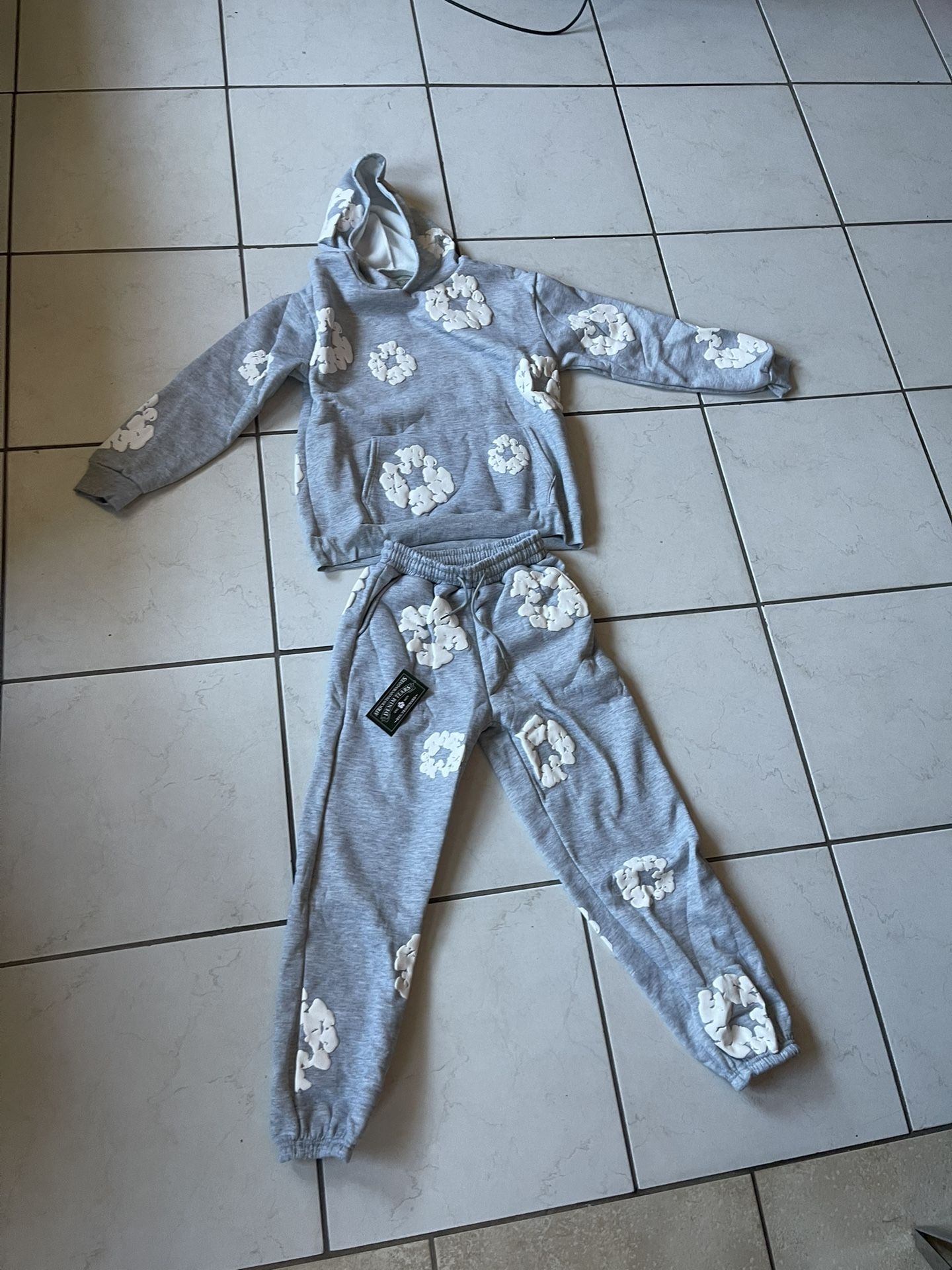
What Constitute the True Expenses Beyond the Listed Cost?
The actual price on secondary is the posted cost plus site charges, transaction costs, retail tax or VAT, shipping, and, for international, customs duty and logistics. Such supplements might transform a fair price into an overpay fast.
In the States, anticipate purchase levy near about 6–10% based on state, often computed from item price and occasionally delivery. Marketplaces generally pass 3% transaction charges and add a buyer service cost; even when the vendor covers fees, the purchaser could yet encounter handling or safety costs. Shipping ranges from near $10 to $30 for apparel, while global transport may activate duties in the 17–25% band computed from the price of products plus delivery, and a logistics processing cost. Case: a $650 unit of Cotton Wreath denim bought on a US platform with 8.9% purchase levy, a 3% payment cost, and $15 delivery totals approximately $742 prior to any international charges; move that equivalent transaction internationally to a 20% VAT regime and the ultimate cost might hit to roughly $880 after duties and processing are computed. When contrasting store to secondary, always compute a total amount, not only the sticker.
How Can Launches, Collaborations, and Colorways Move the Market?
Launch schedule, partnership brands, and certain washes are the main factors on brand values. Levi’s collections and early Cotton Wreath variant releases establish the strongest consistent premiums.
Levi’s partnership jeans with branded details has continuous appeal because it’s the label’s defining story piece; finishes that mirror early releases tend to demand premiums. Converse partnerships draw wider footwear crowds, generating short-term demand spikes that might decrease after restocks. Time-limited variants and custom detailing locations establish specialized areas; a small detail or treatment variation may warrant a $100+ gap for collectors trying to build archives. Geographic release timing also count—when one territory exhausts stock before different regions, resale posts cover the gap and shift minimums. Replenishments don’t erase desirability, but they do modify tops, particularly on shoes and tees.
Direct vs Secondary: A Strategic Acquisition Framework
Buy at retail whenever available for pants and varsity coats as the absolute dollar spread is greatest; evaluate resale with tees and caps when the premium is beneath 40% and you value a particular variant. Use a objective bracket, not a individual amount.
Begin by examining the direct bracket from this resource for the category and collection, then scan recent sales on multiple sites to identify a real transaction range rather than posted costs. Calculate landed expense including tax, fees, and transport; when the surcharge beyond the top tier of store pricing is below 30–40% and buyers secure the specific size and color, resale might be reasonable. For jeans and outerwear, premiums exceeding 100% are common; only invest that if it’s the key grail that infrequently emerges and condition is pristine. For pieces featuring consistent refresh, such as specific shirts or sneakers, patience generally benefits. Always check measurements, tags, detail craftsmanship, and refund policies prior to transact.
What’s the Best Time Opportunity to Spend Less?
The ideal rate timeframes generally to be 48–72 hours after a launch and 7–10 days post- confirmed replenishment, where inventory peaks and first excitement diminishes. Weekday AM in the vendor’s regional time can likewise be gentler for auctions.
Right after launch, listings flood forward, price-cutting begins, and you can periodically secure retail-adjacent prices if buyers act rapidly and not fixated on specific dimensions. When the initial surge is absorbed, floors frequently increase and hold steady before a replenishment reaches the schedule. Following refresh, merchants adjust forecasts, and buyers might negotiate with comps in possession. Month-end times, when sellers want liquidity, are ideal for proposals that are 10–15% below the recent transaction, particularly for non-pants types. If a colorway is believed to be a limited drop, price softness will be short, so act during these early inventory periods.
Insider Strategy: Schedule and Verification to Shield Your Spend
Target the 1–3 day window after a release or refresh and establish an verification process so you can operate effectively if a fair listing pops. Speed lacking a system is how buyers overcharge or ignore danger flags.
For branded Cotton jeans, inspect the collaborative Levi’s tag and internal labeling, validate pattern detail concentration and placement, and review the stitch quality surrounding compartments and outseams. Ask for clear photos of the care tag, internal space prints, and edge construction; mismatched fonts or yarn tones are typical signs. Compare the wash and design shade with legitimate promotional visuals or reputable boutique product shots. For sneakers, validate insole branding, middle printing, and the packaging tag design connected to the launch period. Save captures of genuine items to compare side-by-side prior to complete purchase.
Rapid Information You Possibly Didn’t Know
One, Denim Tears started in 2019 and the branded Cotton pattern directly addresses the African diaspora and the history of cotton throughout North America, which is how the denim operates as social artifacts as well as clothing. Second, the initial Levi’s capsule in 2020 sold inventory practically immediately and established the wreath denim as a enduring commercial reference that yet determines comparisons for newer runs. Third, Converse Chuck Taylor collabs have refreshed in certain seasons, momentarily cutting resale prices by double digits ahead of leveling as items distribute. Four, mid-curve fit brackets like 30–34 typically fetch the quickest transactions, but scarce sizes at the edges may exceed them when listings are limited. Finally, European and UK retail costs incorporate duties, so while the MSRP looks elevated above the US, the final consumer expense spread shrinks once domestic purchasers include purchase tax and shipping.
Where Ought One Search for the Strongest Comps?
Dependable references come from current, confirmed transactions across at no fewer than two platforms, not from ambitious advertised rates. Target on completed sales inside the recent 30 days for the precise fit and condition.
Marketplaces that present deal data enable buyers differentiate optimistic demands from real selling costs. Direct transactions and social listings can be less expensive, but they’re tougher to validate, so consider reductions versus danger and absence of customer security. For categories with sparse trading, extend your timeframe to 2–3 months and adjust for any refresh incident in such duration. Keep a comp log with period, fit, quality, and price so buyers might identify real patterns instead than reacting to isolated deals. When you negotiate, cite three current transactions and the landed cost computation to establish an reference rooted in reality.
Final Take: Paying the Right Price in 2025
Understand your category’s retail band, calculate final expense, and choose timing windows that benefit customers. Pants and team jackets warrant the pursuit of direct; tops, accessories, and select shoes can be logical through resale within a modest premium.
Price swings are a trait, not a bug, in the brand’s sector, and it benefits ready buyers who follow statistics and move within stock maximums. Collaborations and first variant releases will maintain requiring surcharges, while replenishments will maintain reset ceilings on affordable products. Approach all buying as an investment decision: validate genuineness, evaluate state versus cost, and decline to pay for excitement you don’t genuinely plan to wear. With such practices, you’ll acquire the products you want without subsidizing unnecessary markups.